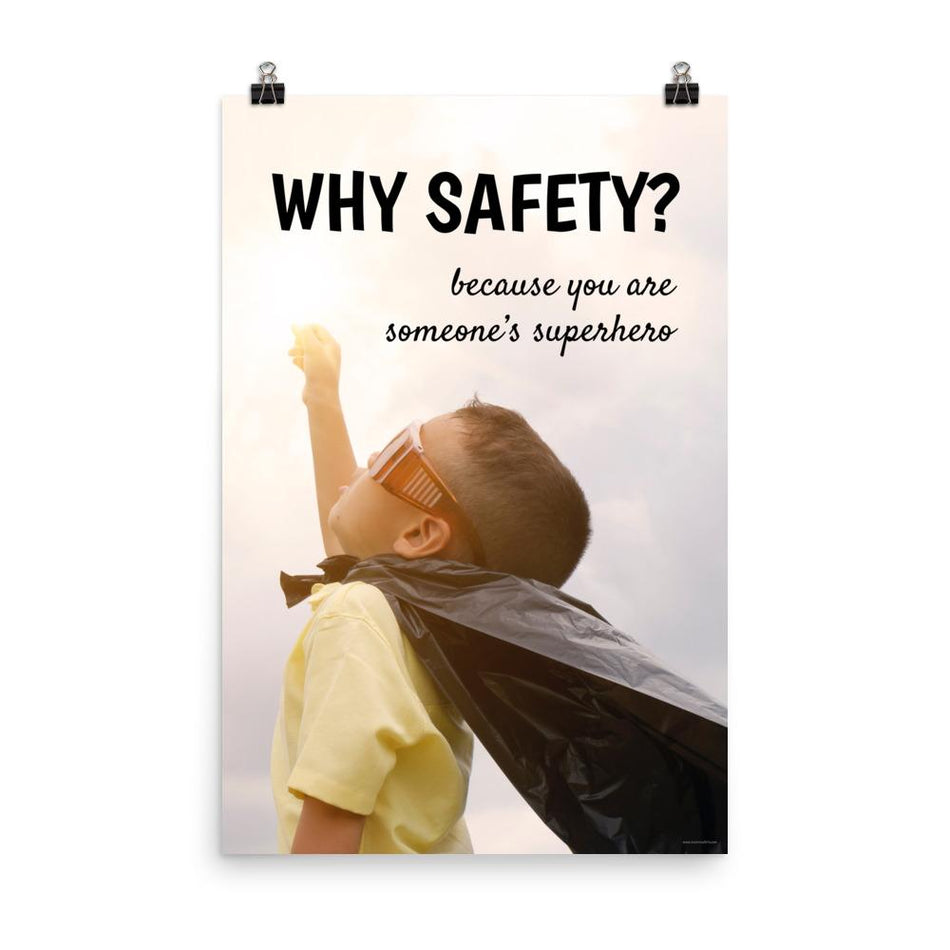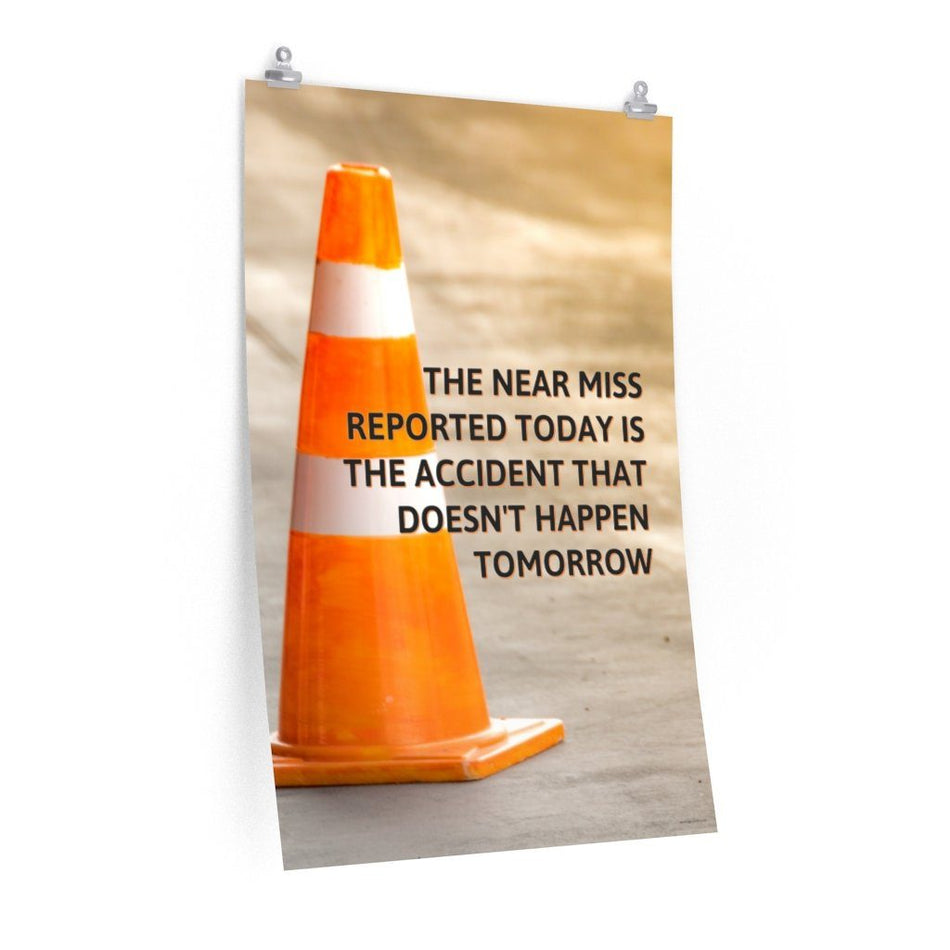
Your attitude at work plays a powerful role in how you think, how you act, and how safely you perform your job. It influences moment-to-moment decision-making, awareness, and how seriously safety is taken throughout the workday. A focused, positive attitude helps people stay engaged and make safer choices, while a negative attitude can increase stress, conflict, and the likelihood of unsafe behavior. Most importantly, your attitude affects not only you, but everyone around you.
Attitude and Safety
Day-to-day attitude shapes behavior in subtle but meaningful ways. When someone is engaged, alert, and cooperative, safety tends to stay front and center. When frustration, distraction, or disengagement sets in, shortcuts and poor judgment can creep in. While safety depends on procedures and training, it also relies heavily on the mindset employees bring to the job.
Positive Engagement on the Job
A strong safety attitude shows up in simple, everyday actions. Staying attentive during safety meetings, listening carefully, and asking questions when something is unclear can help prevent mistakes before they happen. Taking responsibility for your own safety and watching out for coworkers strengthens the entire team.
Carelessness, complacency, and rushed decisions often begin as attitude problems long before they turn into incidents.
Employees who report hazards, cooperate with inspections, and speak up with ideas for improvement demonstrate professionalism and ownership. Setting a positive example for newer or less experienced workers reinforces safe habits across the workplace and helps build a strong safety culture.
Shortcuts and Complacency
One of the clearest warning signs of a negative attitude is the temptation to skip steps. Routine tasks may feel safe and familiar, but that familiarity can lower a person’s sense of caution. Skipping safety steps, rushing through procedures, or assuming “nothing will go wrong” significantly increases risk. Encouraging yourself and others to follow safety rules—even during everyday tasks—helps prevent complacency before it becomes dangerous.

Emotions at Work
Everyone brings emotions to work. Stress, frustration, and personal challenges do not disappear at the door. Strong emotions can distract attention, cloud judgment, and reduce situational awareness, all of which can impact safety. Recognizing when emotions begin to interfere with focus is critical.
Sometimes stepping away briefly or taking a pause can help restore focus and prevent mistakes. When personal or work-related issues become overwhelming, reaching out to a supervisor or a trusted coworker is an important step toward staying safe.
Hazardous Attitudes to Watch For
Certain attitudes can be especially dangerous in the workplace. Anti-authority thinking—resisting rules or direction out of frustration—can lead to impulsive decisions that affect the entire team. While speaking up about safety concerns is encouraged, it should be done constructively and with the goal of improving conditions, not pushing back out of resentment.
Impulsive reactions can also create risk. While quick responses are sometimes necessary, most work situations benefit from pausing to assess hazards and plan next steps. Slowing down to think is not weakness—it is smart risk management.
Overconfidence, or a false sense of invincibility, can be just as hazardous. Experience should increase awareness, not replace it. Likewise, a macho mindset that pushes people to take risks to prove themselves or refuse help often leads to injuries. Recognizing limits and relying on teamwork is usually the safest and most effective approach.
A defeatist mindset—believing safety is out of one’s control—can lead to giving up, overlooking hazards, and accepting unnecessary risk. Speaking up early when work feels overwhelming can prevent this attitude from becoming a serious safety issue.

Self-Awareness and Personal Responsibility
Recognizing when a negative or hazardous attitude is developing is one of the most important safety skills. Irritability, impatience, anger, or dismissiveness toward rules can all be warning signs. Identifying what is driving those feelings allows for better choices.
Each person is responsible for their own attitude and behavior at work. While not every situation can be controlled, how you respond to it can be. Regular self-check-ins help catch problems early and protect both safety and professionalism.
Looking Out for One Another
Everyone has bad days. Paying attention to coworkers and offering patience or support can make a meaningful difference. Sometimes a small positive interaction or a bit of understanding is enough to help someone refocus and work more safely. A strong safety culture is built not only on rules, but on how people treat and support one another.
Your attitude at work shapes your behavior, your safety, and the safety of those around you. Staying aware, engaged, and accountable helps prevent injuries and keeps work running smoothly. By bringing the right attitude and making thoughtful choices, you help create a safer workplace for everyone.